หมวดหมู่
สินค้าใหม่
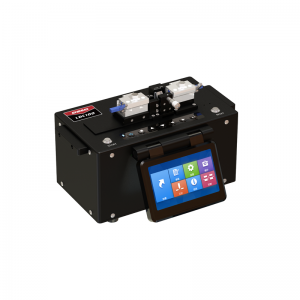
LDC-100 ساطور ألياف بصرية بقطر كبير * ใช้ได้กับเส้นใยขนาดเส้นผ่านศูนย์กลาง 80μm~600μm *ปั๊มสุญญากาศ ร่องวี ใส่ไฟเบอร์สะดวก *ใบมีดทนทาน อายุการใช้ งานมากกว่า 20,000 ครั้ง *จัดเก็บข้อมูล 4000 กลุ่ม *เมนู GUI ที่ใช้งานง่ายใช้งานง่าย มากกว่า
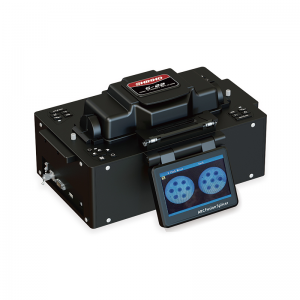
S-22 Multi-Core Fiber Fusion Splicer F ully AอัตโนมัติM ulti-core F iber F usion S plicer ในประเทศจีน มากกว่า
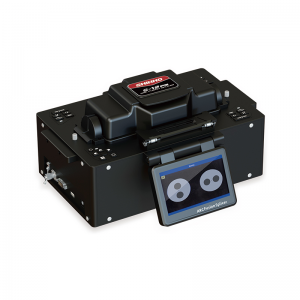
Polarization ต้องรักษา(PM)ไฟเบอร์ฟิวชัน Splicer S-12 *องลึกไปยังแกนแล้ว name ตำแหน่งที่ต่ำ splicing การสูญเสีย *Endview และโพรไฟล์การสังเกตการณ์และตำแหน่ง *Arc อัตโนมัติปรับตั้งแท่งควบคุมและ splicing *PM นไฟเบอร์เหนียวพิเศษ 45 และ 90 องศาตำแหน่ง มากกว่า
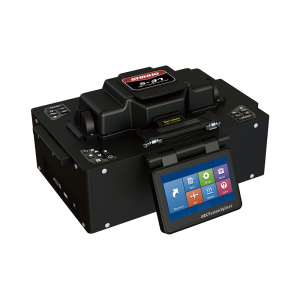
S-37 LDF Speialty Fiber Fusion Splicer SHINHO S-37 เป็นรุ่นล่าสุดที่เราพัฒนาขึ้น มันสามารถต่อประกบไฟเบอร์หุ้มเส้นผ่านศูนย์กลางได้ตั้งแต่ 125 ถึง 400μm โดยมีการสูญเสียการประกบกันต่ำ เราติดตั้งเครื่องด้วยตัวจับไฟเบอร์ 3 แบบและอิเล็กโทรดสำรอง 2 คู่ มากกว่า
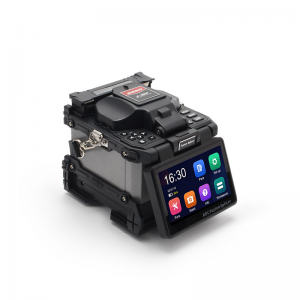
ใยแก้วนำแสงแกนฟิวชั่นต่อเชือก x900 หกมอเตอร์ต่อเชือกฟิวชั่นแกนกลางจริงกับเทคโนโลยีการจัดแนว 6s splicing, 16s heating, ระบุประเภทของเส้นใยโดยอัตโนมัติ ใช้สำหรับโครงการวัน / คน / การสื่อสารโทรคมนาคม มากกว่า
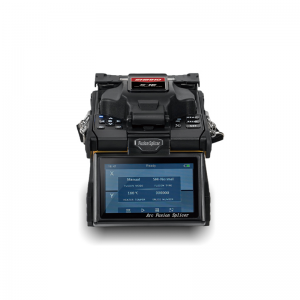
ฟังก์ชั่นต่อเชือกฟิวชั่นอาร์ฟิวชั่นมัลติฟังก์ชันที่แข็งแกร่ง s16 การออกแบบอุตสาหกรรมที่แข็งแกร่ง, ป้องกันการกระแทก, ฝุ่นและกันน้ำ ฟังก์ชั่นผู้ถือมัลติฟังก์ชั่นสำหรับเส้นใยเปล่า, สายแพทช์, วางสาย ฯลฯ การประกบและความร้อนอย่างรวดเร็วการสอบเทียบอาร์คอัตโนมัติ มากกว่า
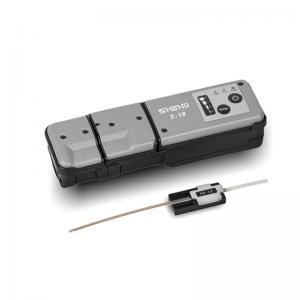
SHINHO X-18 Ribbon Fiber เครื่องลอกเทปความร้อน Shinho X-18 Thermal Stripper เป็นเครื่องลอกความร้อนแบบมือถือที่พัฒนาขึ้นใหม่ ออกแบบมาเป็นพิเศษสำหรับการปอกปลอกของสายแพด้วยความร้อนแบบไม่ทำลายได้ถึง 12 เส้นใย เครื่องมือที่ดีและเชื่อถือได้สำหรับงานประกบไฟเบอร์ริบบอน มากกว่า
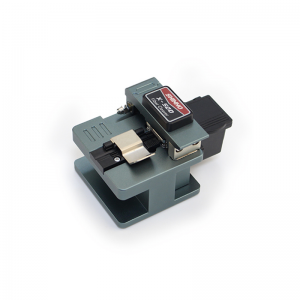
มีดไฟเบอร์ออปติกความแม่นยำสูง X-50D ขนาดเล็กและน้ำหนักเบา ใช้งานง่าย ความแม่นยำสูงและประสิทธิภาพที่มั่นคง อายุการใช้งานของใบมีดมากกว่า 48,000 ครั้ง,ไฟเบอร์ตัดความยาว 5~20 มม. วัสดุคุณภาพสูง มากกว่า
ใยแก้วนำแสงแบบกลวงในระบบสื่อสารระดับสูง
ระบบสื่อสารระดับสูงนั้นถูกกำหนดด้วยข้อกำหนดด้านประสิทธิภาพที่สูงมาก ได้แก่ ความหน่วงต่ำมาก ความจุสูงมาก และความเสถียรเป็นพิเศษ สถานการณ์ทั่วไป ได้แก่ เครือข่ายการซื้อขายทางการเงิน โครงสร้างพื้นฐานหลักสำหรับการสื่อสารระยะไกล การเชื่อมต่อศูนย์ข้อมูลขนาดใหญ่ และการสื่อสารคลัสเตอร์ AI ที่กำลังเกิดขึ้นใหม่
เป็นเวลานานหลายทศวรรษแล้วที่ใยแก้วนำแสงแบบดั้งเดิม เช่น ใยแก้วนำแสงแบบโหมดเดี่ยว G.652 และใยแก้วนำแสง G.654 ได้สนับสนุนระบบสื่อสารทั่วโลก แม้ว่าการปรับปรุงอย่างต่อเนื่องในด้านเทคโนโลยีการลดการลดทอน การกระจายตัว และการขยายสัญญาณ (เช่น ระบบ DWDM) จะช่วยเพิ่มความสามารถในการส่งข้อมูลได้อย่างมาก แต่ใยแก้วนำแสงเหล่านี้ยังคงถูกจำกัดด้วยคุณสมบัติทางกายภาพของซิลิกา โดยเฉพาะอย่างยิ่ง ความหน่วงและผลกระทบที่ไม่เป็นเชิงเส้นได้กำหนดข้อจำกัดที่สำคัญต่อการเพิ่มประสิทธิภาพ
เส้นใยกลวง (Hollow-core fiber หรือ HCF) นำเสนอกลไกการนำแสงที่แตกต่างไปจากเดิมอย่างสิ้นเชิง โดยกักเก็บแสงไว้ภายในแกนที่มีลักษณะคล้ายท่อ แทนที่จะเป็นแก้วตัน การเปลี่ยนแปลงนี้ก่อให้เกิดข้อดีที่สำคัญหลายประการ:
• ความหน่วงลดลงประมาณ 30% เนื่องจากการแพร่กระจายของแสงในสภาวะใกล้สุญญากาศ
• ลดผลกระทบจากปรากฏการณ์ไม่เป็นเชิงเส้นลงอย่างมาก ทำให้สามารถส่งจรวดด้วยกำลังที่สูงขึ้นได้
• มีศักยภาพในการขยายขีดความสามารถได้มากขึ้นผ่านการมัลติเพล็กซ์ขั้นสูง
คุณลักษณะเหล่านี้ทำให้ HCF น่าสนใจเป็นพิเศษสำหรับแอปพลิเคชันที่ต้องการความหน่วงต่ำมาก เช่น การซื้อขายความถี่สูงและการเชื่อมต่อที่ไวต่อความหน่วงระหว่างศูนย์ข้อมูลขนาดใหญ่ ในสภาพแวดล้อมเช่นนี้ แม้แต่การปรับปรุงเพียงไมโครวินาทีก็สามารถแปลงเป็นผลประโยชน์ทางเศรษฐกิจหรือการคำนวณที่วัดผลได้
นอกเหนือจากกรณีการใช้งานที่เน้นความหน่วงต่ำแล้ว HCF ยังแสดงศักยภาพที่แข็งแกร่งในเครือข่ายหลักที่มีความจุสูงอีกด้วย การลดผลกระทบจากความบกพร่องที่ไม่เป็นเชิงเส้นจะช่วยให้สามารถใช้คลื่นความถี่แสงได้อย่างมีประสิทธิภาพมากขึ้นและมีปริมาณงานรวมต่อไฟเบอร์สูงขึ้น ในขณะเดียวกัน ผู้ให้บริการคลาวด์ขนาดใหญ่ เช่น Amazon และ Google ก็กำลังสำรวจการเชื่อมต่อทางแสงที่มีความหน่วงต่ำมากขึ้นเรื่อยๆ เพื่อเพิ่มประสิทธิภาพการประมวลผลแบบกระจายและประสิทธิภาพการฝึกอบรม AI
อย่างไรก็ตาม แม้จะมีข้อดีมากมาย แต่คาดว่า HCF จะไม่สามารถทดแทนใยแก้วนำแสงแบบดั้งเดิมได้ในทุกชั้นของเครือข่าย ความท้าทายต่างๆ เช่น ต้นทุนที่สูงขึ้น ความซับซ้อนในการผลิต และข้อกำหนดที่เข้มงวดมากขึ้นสำหรับการเชื่อมต่อและการจัดการ ยังคงเป็นอุปสรรคสำคัญ ในการใช้งานที่คำนึงถึงต้นทุนเป็นหลัก โดยเฉพาะอย่างยิ่งเครือข่ายการเข้าถึงที่ใช้ G.652 และใยแก้วนำแสงที่ไม่โค้งงอ โซลูชันแบบดั้งเดิมจะยังคงมีบทบาทสำคัญต่อไป
แต่ในทางกลับกัน สถาปัตยกรรมเครือข่ายในอนาคตมีแนวโน้มที่จะแบ่งระดับมากขึ้น:
• เส้นใยกลวงสำหรับเชื่อมต่อที่ต้องการประสิทธิภาพสูงและมีมูลค่าสูง
• ไฟเบอร์แกนแข็งขั้นสูง (เช่น G.654) สำหรับการส่งสัญญาณโครงข่ายหลักระยะไกล
• ไฟเบอร์ออปติกแบบซิงเกิลโหมดมาตรฐานสำหรับเครือข่ายการเข้าถึงและเครือข่ายเมโทร
โดยสรุปแล้ว เส้นใยกลวงไม่ควรถูกมองว่าเป็นสิ่งทดแทนได้ทุกกรณี แต่ควรถูกมองว่าเป็นทางเลือกเชิงกลยุทธ์สำหรับการยกระดับประสิทธิภาพในส่วนที่ต้องการประสิทธิภาพสูงที่สุดในการสื่อสารด้วยแสง

ยินดีที่จะลงทะเบียนจดหมายข่าวหากคุณมีความสนใจในผลิตภัณฑ์ของเราเราจะแจ้งให้คุณทราบข่าวของเราข้อมูลผลิตภัณฑ์และโปรโมชั่นหากมี
© ลิขสิทธิ์: SHINHO OPTICS LIMITED สงวนลิขสิทธิ์.


 ไทย
ไทย English
 français
 русский
 italiano
 español
 português
 العربية
 हिन्दी
 Indonesia
 中文
中文