หมวดหมู่
สินค้าใหม่
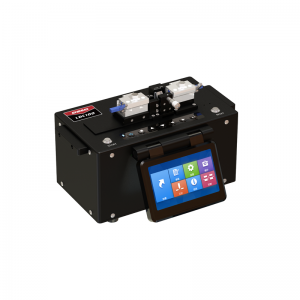
LDC-100 ساطور ألياف بصرية بقطر كبير * ใช้ได้กับเส้นใยขนาดเส้นผ่านศูนย์กลาง 80μm~600μm *ปั๊มสุญญากาศ ร่องวี ใส่ไฟเบอร์สะดวก *ใบมีดทนทาน อายุการใช้ งานมากกว่า 20,000 ครั้ง *จัดเก็บข้อมูล 4000 กลุ่ม *เมนู GUI ที่ใช้งานง่ายใช้งานง่าย มากกว่า
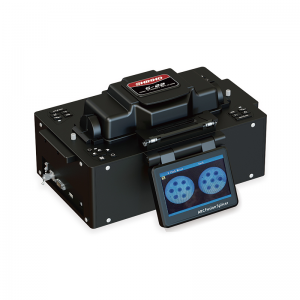
S-22 Multi-Core Fiber Fusion Splicer F ully AอัตโนมัติM ulti-core F iber F usion S plicer ในประเทศจีน มากกว่า
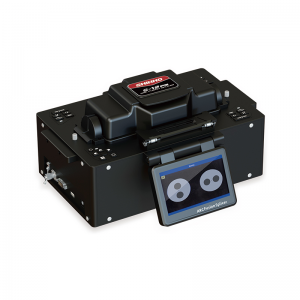
Polarization ต้องรักษา(PM)ไฟเบอร์ฟิวชัน Splicer S-12 *องลึกไปยังแกนแล้ว name ตำแหน่งที่ต่ำ splicing การสูญเสีย *Endview และโพรไฟล์การสังเกตการณ์และตำแหน่ง *Arc อัตโนมัติปรับตั้งแท่งควบคุมและ splicing *PM นไฟเบอร์เหนียวพิเศษ 45 และ 90 องศาตำแหน่ง มากกว่า
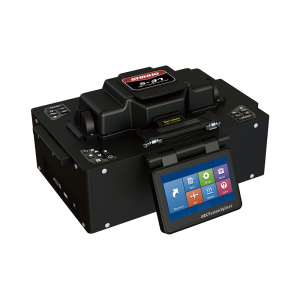
S-37 LDF Speialty Fiber Fusion Splicer SHINHO S-37 เป็นรุ่นล่าสุดที่เราพัฒนาขึ้น มันสามารถต่อประกบไฟเบอร์หุ้มเส้นผ่านศูนย์กลางได้ตั้งแต่ 125 ถึง 400μm โดยมีการสูญเสียการประกบกันต่ำ เราติดตั้งเครื่องด้วยตัวจับไฟเบอร์ 3 แบบและอิเล็กโทรดสำรอง 2 คู่ มากกว่า
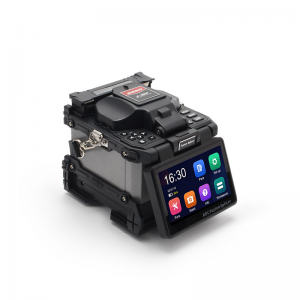
ใยแก้วนำแสงแกนฟิวชั่นต่อเชือก x900 หกมอเตอร์ต่อเชือกฟิวชั่นแกนกลางจริงกับเทคโนโลยีการจัดแนว 6s splicing, 16s heating, ระบุประเภทของเส้นใยโดยอัตโนมัติ ใช้สำหรับโครงการวัน / คน / การสื่อสารโทรคมนาคม มากกว่า
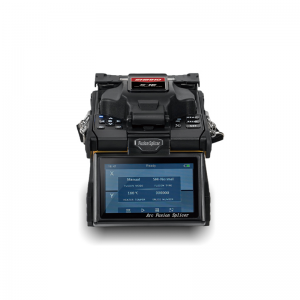
ฟังก์ชั่นต่อเชือกฟิวชั่นอาร์ฟิวชั่นมัลติฟังก์ชันที่แข็งแกร่ง s16 การออกแบบอุตสาหกรรมที่แข็งแกร่ง, ป้องกันการกระแทก, ฝุ่นและกันน้ำ ฟังก์ชั่นผู้ถือมัลติฟังก์ชั่นสำหรับเส้นใยเปล่า, สายแพทช์, วางสาย ฯลฯ การประกบและความร้อนอย่างรวดเร็วการสอบเทียบอาร์คอัตโนมัติ มากกว่า
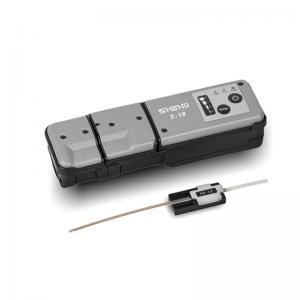
SHINHO X-18 Ribbon Fiber เครื่องลอกเทปความร้อน Shinho X-18 Thermal Stripper เป็นเครื่องลอกความร้อนแบบมือถือที่พัฒนาขึ้นใหม่ ออกแบบมาเป็นพิเศษสำหรับการปอกปลอกของสายแพด้วยความร้อนแบบไม่ทำลายได้ถึง 12 เส้นใย เครื่องมือที่ดีและเชื่อถือได้สำหรับงานประกบไฟเบอร์ริบบอน มากกว่า
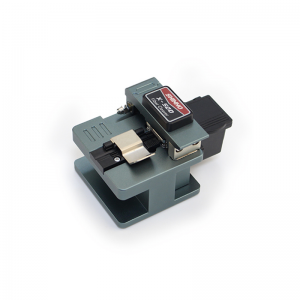
มีดไฟเบอร์ออปติกความแม่นยำสูง X-50D ขนาดเล็กและน้ำหนักเบา ใช้งานง่าย ความแม่นยำสูงและประสิทธิภาพที่มั่นคง อายุการใช้งานของใบมีดมากกว่า 48,000 ครั้ง,ไฟเบอร์ตัดความยาว 5~20 มม. วัสดุคุณภาพสูง มากกว่า
เส้นใยกลวงในระบบเลเซอร์: ทางเลือกใหม่ที่เหนือกว่าเส้นใยแบบดั้งเดิม
เนื่องจากระบบเลเซอร์ยังคงพัฒนาไปสู่กำลังที่สูงขึ้น ความกว้างของเส้นสเปกตรัมที่แคบลง และระยะเวลาของพัลส์ที่สั้นลง เส้นใยแก้วนำแสงแบบแกนแข็งแบบดั้งเดิมจึงค่อยๆ เข้าใกล้ขีดจำกัดทางกายภาพ ผลกระทบที่ไม่เป็นเชิงเส้น เช่น SBS, SRS และการปรับเฟสด้วยตนเอง ยิ่งเป็นอุปสรรคต่อการพัฒนาประสิทธิภาพเพิ่มเติม ในบริบทนี้ เส้นใยกลวง (HCF) ได้กลายเป็นทางเลือกที่น่าสนใจและมีกลยุทธ์สำหรับสถาปัตยกรรมเลเซอร์รุ่นต่อไป
แตกต่างจากเส้นใยนำแสงทั่วไปที่แสงเดินทางผ่านซิลิกา เส้นใยนำแสงไฮเปอร์แคสติ้ง (HCF) นำแสงโดยส่วนใหญ่ผ่านอากาศ ความแตกต่างพื้นฐานนี้ส่งผลให้เกิด... ลดความไม่เป็นเชิงเส้นทางแสงลงอย่างมาก และเพิ่มความสามารถในการจัดการกำลังสูงสุดให้สูงขึ้น ทำให้ HCF มีความน่าสนใจเป็นพิเศษสำหรับเลเซอร์พัลส์สั้นมาก (ps/fs) ระบบที่มีความกว้างของเส้นสเปกตรัมแคบ การรวมลำแสงที่สอดคล้องกัน และการใช้งานทางวิทยาศาสตร์หรือการป้องกันประเทศขั้นสูง
อย่างไรก็ตาม การนำ HCF มาใช้ไม่ได้หมายความเพียงแค่การแทนที่เส้นใยชนิดหนึ่งด้วยเส้นใยอีกชนิดหนึ่งเท่านั้น จากมุมมองด้านการผลิตและการประกอบ การต่อเส้นใย การตัดแยก และคุณภาพของหน้าตัด กลายเป็นปัจจัยสำคัญในระดับระบบ แทนที่จะเป็นกระบวนการตามปกติ
ในระบบเลเซอร์พัลส์สั้นพิเศษ กำลังสูงสุดอาจสูงกว่ากำลังเฉลี่ยหลายเท่าตัว ความไม่สมบูรณ์ใดๆ เช่น รอยแตกขนาดเล็ก การปนเปื้อน ความไม่ตรงกันของโหมด หรือการยุบตัวของโครงสร้าง ณ จุดเชื่อมต่อ อาจกลายเป็นสาเหตุของการทำงานล้มเหลวได้ทันที ในทำนองเดียวกัน คุณภาพการตัดที่ไม่ดี หรือข้อบกพร่องระดับไมครอนบนปลายหน้าไฟเบอร์ อาจนำไปสู่การเพิ่มความเข้มของสนามเฉพาะจุด การแตกตัวในอากาศ หรือความเสียหายร้ายแรงระหว่างการใช้งาน
นี่คือที่นี่ อุปกรณ์แปรรูปเส้นใยเฉพาะทาง มีบทบาทสำคัญอย่างยิ่ง
เครื่องต่อเส้นใยแบบฟิวชั่นขั้นสูงที่ออกแบบมาสำหรับเส้นใยชนิดพิเศษ รวมถึงเครื่องตัดเส้นใยความแม่นยำสูงที่ได้รับการปรับให้เหมาะสมสำหรับเส้นใยที่มีสนามโหมดขนาดใหญ่และเส้นใยที่มีโครงสร้างขนาดเล็ก เป็นสิ่งจำเป็นเพื่อให้มั่นใจได้ว่า:
การเปลี่ยนโหมด-สนามที่เสถียร
การบิดเบือนโครงสร้างน้อยที่สุด
มีความแม่นยำสูงและเชื่อถือได้ในระยะยาว
ขณะที่ HCF กำลังก้าวจากการสาธิตในห้องปฏิบัติการไปสู่ผลิตภัณฑ์เลเซอร์จริง อุปสรรคสำคัญไม่ได้อยู่ที่การออกแบบเส้นใยเพียงอย่างเดียวอีกต่อไป แต่ยังอยู่ที่ว่าเส้นใยนั้นสามารถแปรรูป ผสานรวม และบำรุงรักษาได้อย่างมีประสิทธิภาพเพียงใด .
เมื่อมองไปข้างหน้า เส้นใยกลวงไม่น่าจะเข้ามาแทนที่เส้นใยแบบดั้งเดิมในระบบเลเซอร์ต่อเนื่อง (CW) ระดับอุตสาหกรรมหลักในระยะเวลาอันใกล้นี้ แต่ในอนาคต เส้นใยกลวงน่าจะเหมาะสมกับการใช้งานในระยะยาวมากกว่า การใช้งานเลเซอร์ระดับไฮเอนด์ที่เน้นประสิทธิภาพ ซึ่งการผลักดันขีดจำกัดทางกายภาพนั้นคุ้มค่ากับความซับซ้อนและต้นทุนที่สูงขึ้น ในระบบเหล่านี้ การเชื่อมต่อและการตัดที่เชื่อถือได้ไม่ใช่สิ่งที่ไม่จำเป็น แต่เป็นรากฐานของเสถียรภาพของระบบ
สำหรับผู้ผลิตและผู้ให้บริการเลเซอร์ การลงทุนในโซลูชันการประมวลผลไฟเบอร์ที่เหมาะสมในวันนี้ หมายถึงการเตรียมพร้อมสำหรับเทคโนโลยีเลเซอร์ในอนาคต

ยินดีที่จะลงทะเบียนจดหมายข่าวหากคุณมีความสนใจในผลิตภัณฑ์ของเราเราจะแจ้งให้คุณทราบข่าวของเราข้อมูลผลิตภัณฑ์และโปรโมชั่นหากมี
© ลิขสิทธิ์: SHINHO OPTICS LIMITED สงวนลิขสิทธิ์.


 ไทย
ไทย English
 français
 русский
 italiano
 español
 português
 العربية
 हिन्दी
 Indonesia
 中文
中文