หมวดหมู่
สินค้าใหม่
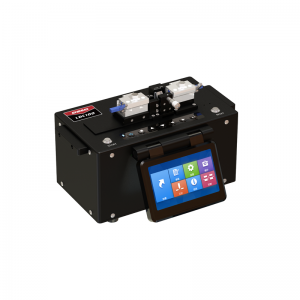
LDC-100 ساطور ألياف بصرية بقطر كبير * ใช้ได้กับเส้นใยขนาดเส้นผ่านศูนย์กลาง 80μm~600μm *ปั๊มสุญญากาศ ร่องวี ใส่ไฟเบอร์สะดวก *ใบมีดทนทาน อายุการใช้ งานมากกว่า 20,000 ครั้ง *จัดเก็บข้อมูล 4000 กลุ่ม *เมนู GUI ที่ใช้งานง่ายใช้งานง่าย มากกว่า
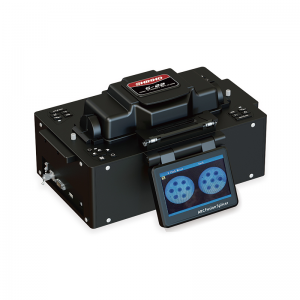
S-22 Multi-Core Fiber Fusion Splicer F ully AอัตโนมัติM ulti-core F iber F usion S plicer ในประเทศจีน มากกว่า
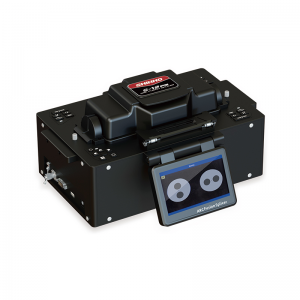
Polarization ต้องรักษา(PM)ไฟเบอร์ฟิวชัน Splicer S-12 *องลึกไปยังแกนแล้ว name ตำแหน่งที่ต่ำ splicing การสูญเสีย *Endview และโพรไฟล์การสังเกตการณ์และตำแหน่ง *Arc อัตโนมัติปรับตั้งแท่งควบคุมและ splicing *PM นไฟเบอร์เหนียวพิเศษ 45 และ 90 องศาตำแหน่ง มากกว่า
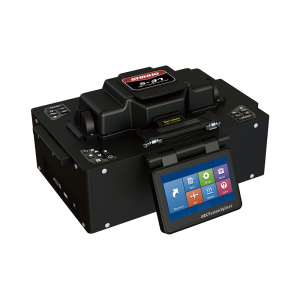
S-37 LDF Speialty Fiber Fusion Splicer SHINHO S-37 เป็นรุ่นล่าสุดที่เราพัฒนาขึ้น มันสามารถต่อประกบไฟเบอร์หุ้มเส้นผ่านศูนย์กลางได้ตั้งแต่ 125 ถึง 400μm โดยมีการสูญเสียการประกบกันต่ำ เราติดตั้งเครื่องด้วยตัวจับไฟเบอร์ 3 แบบและอิเล็กโทรดสำรอง 2 คู่ มากกว่า
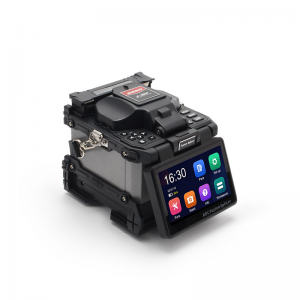
ใยแก้วนำแสงแกนฟิวชั่นต่อเชือก x900 หกมอเตอร์ต่อเชือกฟิวชั่นแกนกลางจริงกับเทคโนโลยีการจัดแนว 6s splicing, 16s heating, ระบุประเภทของเส้นใยโดยอัตโนมัติ ใช้สำหรับโครงการวัน / คน / การสื่อสารโทรคมนาคม มากกว่า
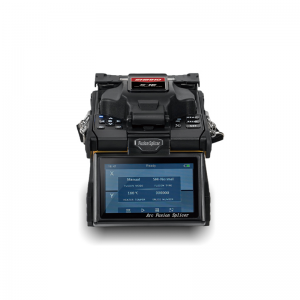
ฟังก์ชั่นต่อเชือกฟิวชั่นอาร์ฟิวชั่นมัลติฟังก์ชันที่แข็งแกร่ง s16 การออกแบบอุตสาหกรรมที่แข็งแกร่ง, ป้องกันการกระแทก, ฝุ่นและกันน้ำ ฟังก์ชั่นผู้ถือมัลติฟังก์ชั่นสำหรับเส้นใยเปล่า, สายแพทช์, วางสาย ฯลฯ การประกบและความร้อนอย่างรวดเร็วการสอบเทียบอาร์คอัตโนมัติ มากกว่า
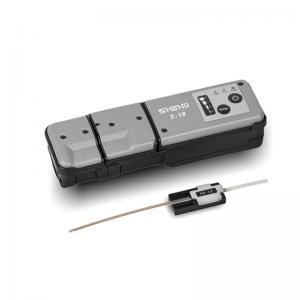
SHINHO X-18 Ribbon Fiber เครื่องลอกเทปความร้อน Shinho X-18 Thermal Stripper เป็นเครื่องลอกความร้อนแบบมือถือที่พัฒนาขึ้นใหม่ ออกแบบมาเป็นพิเศษสำหรับการปอกปลอกของสายแพด้วยความร้อนแบบไม่ทำลายได้ถึง 12 เส้นใย เครื่องมือที่ดีและเชื่อถือได้สำหรับงานประกบไฟเบอร์ริบบอน มากกว่า
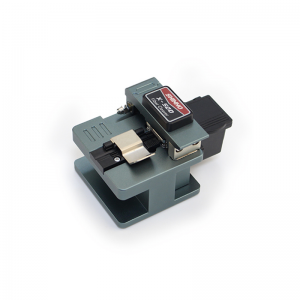
มีดไฟเบอร์ออปติกความแม่นยำสูง X-50D ขนาดเล็กและน้ำหนักเบา ใช้งานง่าย ความแม่นยำสูงและประสิทธิภาพที่มั่นคง อายุการใช้งานของใบมีดมากกว่า 48,000 ครั้ง,ไฟเบอร์ตัดความยาว 5~20 มม. วัสดุคุณภาพสูง มากกว่า
เครื่องเชื่อมต่อใยแก้วนำแสงแบบฟิวชั่นเชื่อมโยงอินเทอร์เน็ตเข้าด้วยกันได้อย่างไร
ในยุคที่เรามองว่าอินเทอร์เน็ตความเร็วระดับกิกะบิตเป็นเรื่องธรรมดาไปแล้ว ไม่ว่าจะเป็นการสตรีมวิดีโอ 4K โดยไม่มีการกระตุก การเข้าร่วมการประชุม Zoom อย่างราบรื่น หรือการสำรองข้อมูลขนาดหลายเทราไบต์ไปยังคลาวด์ในเวลาเพียงไม่กี่นาที เราอาจลืมไปว่าโครงสร้างพื้นฐานทางกายภาพต่างหากที่ทำให้สิ่งเหล่านี้เป็นไปได้
ใต้ท้องถนนของเรา ทอดผ่านมหาสมุทร และขึ้นไปตามอาคารอพาร์ตเมนต์ เส้นใยแก้วนับล้านไมล์ส่งข้อมูลด้วยความเร็วแสง แต่เส้นใยแก้วที่เปราะบางเหล่านี้ไม่ได้เชื่อมต่อกันเอง พวกมันถูกเชื่อมต่อเข้าด้วยกันโดยหนึ่งในเครื่องมือที่แม่นยำที่สุด แต่กลับถูกมองข้ามมากที่สุดในโลกของการสื่อสารโทรคมนาคม: เครื่องเชื่อมต่อใยแก้วนำแสง (Fiber Optic Fusion Splicer)
ลองนึกภาพว่ามันคือจักรเย็บผ้าที่ประณีตที่สุดในโลก ที่กำลังเย็บผืนผ้าแห่งอินเทอร์เน็ตเข้าด้วยกัน
เครื่องเชื่อมเส้นใยนำแสง (Fusion Splicer) เป็นอุปกรณ์ไฮเทคที่ทำการผ่าตัดขนาดเล็กบนเส้นใยแก้ว หน้าที่ของมันคือการนำเส้นใยนำแสงสองเส้นที่แยกจากกันมาเชื่อมต่อกันอย่างสมบูรณ์แบบจนแสงสามารถผ่านรอยต่อได้ราวกับว่าเส้นใยไม่เคยถูกตัดมาก่อน
มันทำงานอย่างไร?
เครื่องจักรนี้สร้างประกายไฟแรงสูงระหว่างขั้วไฟฟ้าสองขั้ว ทำให้เกิดประกายไฟที่มีอุณหภูมิสูงถึงประมาณ
1,800°C (3,600°F)
ความร้อนสูงนี้จะทำให้ปลายเส้นใยแก้วละลาย จากนั้นเครื่องจักรจะดันปลายเส้นใยเหล่านั้นเข้าด้วยกัน ทำให้หลอมรวมกันเป็นเส้นใยเดียวที่ต่อเนื่องกัน
แต่ปัญหาอยู่ที่นี่: แกนกลางของใยแก้วนำแสงแบบโหมดเดี่ยว ซึ่งเป็นทางเดินจริงของแสงนั้น มีขนาดเพียงประมาณเท่านั้น เส้นผ่านศูนย์กลาง 9 ไมครอน เพื่อให้เข้าใจง่ายขึ้น เส้นผมของมนุษย์มีความหนาประมาณ 75 ไมครอน หากเครื่องต่อเส้นผมวางตำแหน่งแกนเหล่านี้ผิดพลาดไปเพียงเล็กน้อย 1 ไมครอน สัญญาณจะอ่อนลง
ด้วยเหตุนี้ เครื่องต่อแผ่นใยแก้วนำแสงจึงไม่ใช่แค่ "ไฟฉาย" ธรรมดาๆ แต่เป็นสิ่งมหัศจรรย์ทางด้านอิเล็กโทรออปติกส์ ที่เพียบพร้อมด้วยกล้องจุลทรรศน์กำลังสูง มอเตอร์สเต็ปเปอร์ และอัลกอริธึมการประมวลผลภาพที่ซับซ้อน
เครื่องต่อเส้นใยไม่ได้มีคุณภาพเท่ากันทั้งหมด โดยทั่วไปแล้ว ตลาดจะแบ่งออกเป็นสองประเภทตามวิธีการจัดเรียงเส้นใยของเครื่อง: การจัดแนวแผ่นปิดผิว (PAS) และ การจัดเรียงแกนกลาง .
ล การจัดเรียงแนวหุ้ม (PAS): นี่เป็นวิธีการแบบเก่าที่เร็วกว่า เครื่องจักรจะดูที่ขอบด้านนอกของกระจก (ส่วนหุ้ม) และจัดเรียงเส้นใยตามนั้น มันเหมือนกับการจัดเรียงคนสองคนให้ตรงกันโดยดูจากชายเสื้อ ซึ่งโดยทั่วไปแล้วก็ใช้ได้ดี แต่คนข้างในอาจไม่ได้ยืนตรงเป๊ะ วิธีนี้มักใช้ในการติดตั้ง FTTH (Fiber to the Home) ซึ่งมีความอ่อนไหวต่อต้นทุนสูงและระยะทางสั้น
ล การจัดเรียงแกนหลัก: นี่คือมาตรฐานระดับสูงสุดสำหรับเครือข่ายหลักความเร็วสูง โดยใช้เซ็นเซอร์ภาพขั้นสูง (เช่น กล้อง CCD) และระบบมอเตอร์หลายตัว เครื่องต่อเส้นใยจะ "มอง" ไปที่แกนกลางของเส้นใยโดยตรง มันจะวิเคราะห์รูปทรงเรขาคณิตของแก้วและจัดแนวแกนกลางให้ตรงกัน ซึ่งจะช่วยลดการสูญเสียเฉลี่ยจากการต่อเส้นใยลงได้ 0.02 เดซิเบลหรือน้อยกว่า เมื่อคุณส่งข้อมูลข้ามมหาสมุทร ความแม่นยำนั้นมีความสำคัญอย่างยิ่ง
หากคุณกำลังมองหาเครื่องต่อสายเคเบิล ไม่ว่าคุณจะเป็นผู้รับเหมา ผู้จัดการศูนย์ข้อมูล หรือบริษัทสาธารณูปโภค การเลือกมักจะขึ้นอยู่กับปัจจัยหลักสี่ประการ: การสูญเสีย, ความเร็ว, ความทนทาน และต้นทุน
1. การสูญเสียการเชื่อมต่อ: เรื่องนี้ต่อรองไม่ได้ ควรเลือกเครื่องจักรที่ให้ค่าการสูญเสียสัญญาณจากการต่อสายต่ำอย่างสม่ำเสมอ แม้แต่ความแตกต่างเพียง 0.1 เดซิเบล ในการต่อสายหลายร้อยครั้ง ก็อาจส่งผลให้เกิดการสูญเสียสัญญาณอย่างมากได้
2. ความเร็ว: เวลาคือเงินทองในสถานที่ก่อสร้าง เครื่องเชื่อมไฟเบอร์ออปติกสมัยใหม่สามารถทำการเชื่อมแบบครบวงจร (จัดแนว หลอม และประเมินความเสียหาย) ได้ในเวลาไม่ถึง 10 วินาที โดยรอบการให้ความร้อนสำหรับปลอกป้องกันใช้เวลาประมาณ 15-20 วินาที .
3. ความทนทานต่อสภาพแวดล้อม: การต่อสายไฟเบอร์มักเกิดขึ้นในท่อระบายน้ำ บนเสาโทรศัพท์ หรือในพื้นที่ก่อสร้างที่มีฝุ่นมาก คุณจึงจำเป็นต้องใช้เครื่องจักรที่มีประสิทธิภาพสูง ระดับการป้องกันน้ำและฝุ่น (IP) มาตรฐาน IP52 หรือสูงกว่านั้นหมายความว่าเครื่องสามารถทนต่อฝุ่นละอองและน้ำหยดได้
4. อายุการใช้งานและการบำรุงรักษาอิเล็กโทรด: อิเล็กโทรดเป็นชิ้นส่วนสำคัญที่ต้องเปลี่ยนอยู่เสมอของเครื่องเชื่อมไฟเบอร์ออปติก เครื่องเชื่อมที่ดีควรใช้งานได้ประมาณ 3,000 ถึง 5,000 ครั้งต่อชุดอิเล็กโทรด การบำรุงรักษาอย่างสม่ำเสมอ เช่น การทำความสะอาดร่องรูปตัววี (บริเวณที่ไฟเบอร์วางอยู่) ด้วยสำลี จะช่วยให้เครื่องใช้งานได้นาน 5 ถึง 10 ปี
แม้จะมีเครื่องเชื่อมไฟเบอร์ออปติกคุณภาพสูงราคา 10,000 ดอลลาร์ การเชื่อมต่อที่ไม่ดีก็ยังเป็นไปได้ ประสิทธิภาพของเครื่องจักรขึ้นอยู่กับการเตรียมงานของผู้ใช้งาน กระบวนการนี้เป็นเหมือนพิธีกรรม:
1. เปลื้องผ้า: ใช้เครื่องมือลอกพลาสติกที่หุ้มเส้นใยออก
2. ทำความสะอาด: เช็ดกระจกเปล่าด้วยแอลกอฮอล์ไอโซโพรพิล 99% และผ้าเช็ดทำความสะอาดที่ไม่เป็นขุย ฝุ่นละอองขนาดเล็กมากจะไหม้ในบริเวณที่เกิดประกายไฟ ทำให้เกิดฟองอากาศหรือการปนเปื้อน
3. ผ่า: ใช้มีดตัดเส้นใยให้ได้มุม 90 องศาอย่างสมบูรณ์แบบ วิธีนี้จะทำให้ได้พื้นผิวที่เรียบลื่นเหมือนกระจก การตัดที่ไม่ดีเป็นสาเหตุหลักอันดับหนึ่งของการสูญเสียคุณภาพในการต่อเส้นใยสูง
4. การต่อเชื่อม: ใส่เส้นใยลงในเครื่องแล้วกด "ตั้งค่า" เครื่องจะทำงานส่วนที่เหลือเอง
5. ปกป้อง: สวมปลอกหดความร้อนลงบนกระจกเปล่า แล้วนำเข้าเตาอบ วิธีนี้จะช่วยฟื้นฟูความแข็งแรงเชิงกลของเส้นใย
6. ทดสอบ: ใช้เครื่อง OTDR (Optical Time-Domain Reflectometer) เพื่อตรวจสอบว่ารอยต่อสมบูรณ์แบบหรือไม่

ยินดีที่จะลงทะเบียนจดหมายข่าวหากคุณมีความสนใจในผลิตภัณฑ์ของเราเราจะแจ้งให้คุณทราบข่าวของเราข้อมูลผลิตภัณฑ์และโปรโมชั่นหากมี
© ลิขสิทธิ์: SHINHO OPTICS LIMITED สงวนลิขสิทธิ์.


 ไทย
ไทย English
 français
 русский
 italiano
 español
 português
 العربية
 हिन्दी
 Indonesia
 中文
中文